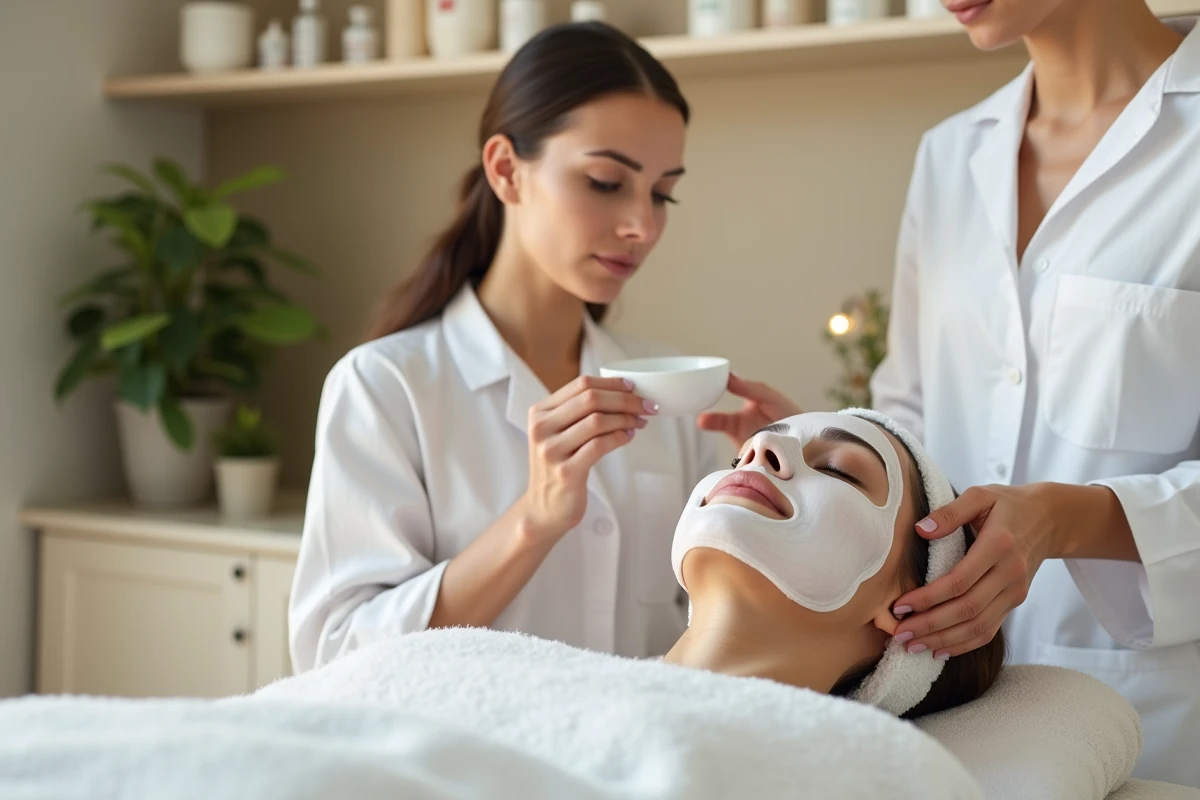
In France, the regulations distinguish between regulated aesthetic treatments and non-aesthetic wellness practices. This boundary determines what a person without a CAP in Aesthetics-Cosmetics-Perfumery can legally offer to their clients. The legal framework is based on the professional qualification required for any service related to the appearance of the skin, nails, or hair.
Aesthetic care and wellness: the legal distinction that conditions everything
The DGCCRF classifies as regulated aesthetic treatments any service with a direct aesthetic purpose: facial care, body care aimed at beautification, hair removal, manicures, professional makeup. These acts require the possession of a CAP in Aesthetics-Cosmetics-Perfumery or an equivalent diploma registered with the RNCP.
Wellness practices, on the other hand, fall under a different category. A relaxation massage, an energy treatment, or a spa service focused on comfort are not considered aesthetic treatments, provided three cumulative limits are respected.
- No aesthetic purpose claimed in the communication or description of the service
- No action on appendages (hair, nails, skin), which excludes any form of hair removal or nail care
- No use of specific devices reserved for aesthetic professionals (UV lamps for gel, electrostimulation devices for aesthetic purposes)
This clarification, recently updated in the official FAQs of the DGCCRF, draws a clear line. The vocabulary used to describe the service is as important as the service itself: offering a “relaxing massage” is lawful, while offering a “slimming treatment” without a diploma is not.
The list of services possible without a CAP in aesthetics therefore entirely depends on this boundary between aesthetic purpose and wellness purpose.
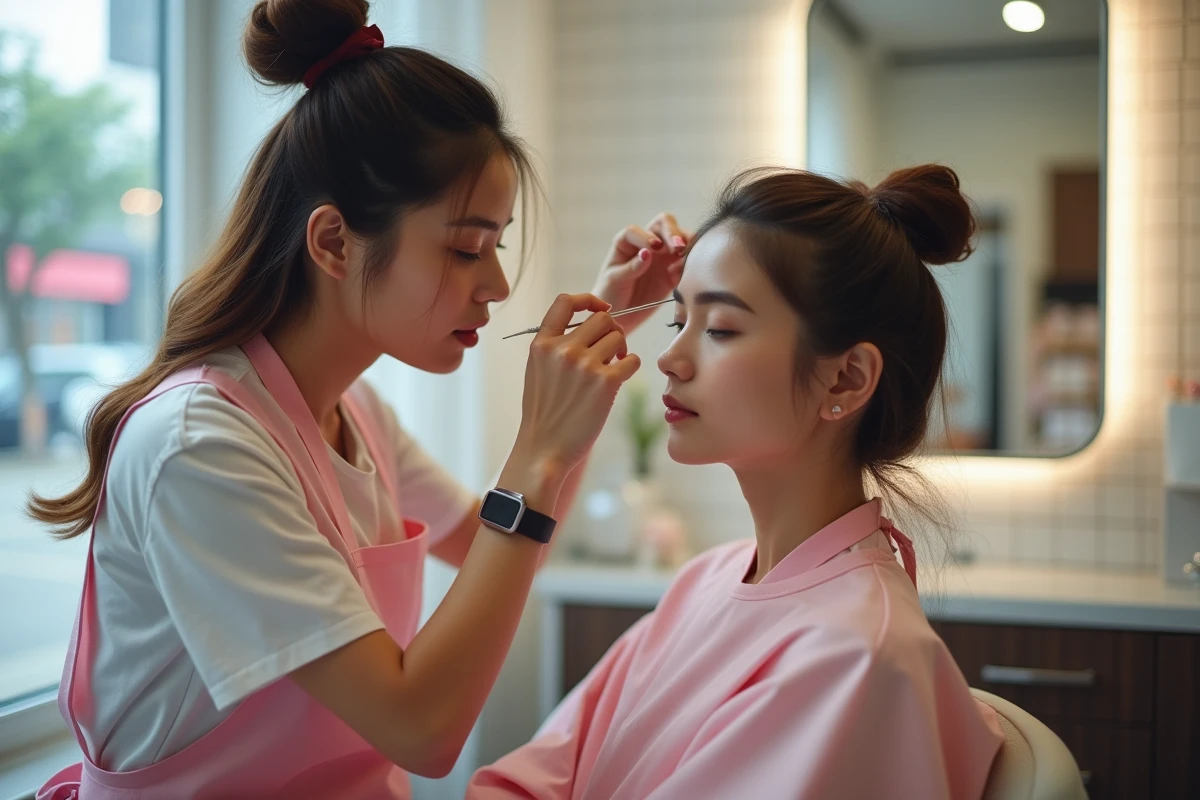
Wellness massage without a CAP: what is allowed and what crosses into illegality
Wellness massage represents the most common service performed without an aesthetic diploma. Specialized schools like Espace Concours remind that massages with aesthetic aims are reserved for holders of the CAP. Only relaxation massages, without any beautification objective or promise of results on the silhouette, can be offered by a person without an aesthetic diploma.
The nuance often lies in the commercial communication. Using terms like “slimming treatment,” “body remodeling,” or “aesthetic drainage” shifts the service into the regulated field, even if the technical gesture is identical to that of a relaxing massage.
The case of head spa and hair treatments
The head spa, currently developing, illustrates this gray area well. A scalp massage aimed at relaxation does not require a CAP in aesthetics or a professional hairdressing certificate. However, as soon as the service includes a hair treatment (application of treatment products, action on the hair), it may fall under regulated hairdressing or aesthetics depending on its declared purpose.
The criterion remains the same: the declared purpose determines the applicable legal framework.
Sale of cosmetics and beauty advice: activities accessible without aesthetic qualification
The sale of cosmetic products, perfumery, and body hygiene does not fall under the regulations of aesthetic treatments. A person without a CAP can work as a beauty advisor in perfumery, a sales assistant in a parapharmacy, or an independent distributor of cosmetic products.
This commercial activity poses no legal problem as long as it does not involve aesthetic gestures on clients. Applying a demonstration product on a client’s hand in-store is tolerated. Performing a complete facial treatment in a dedicated area within the point of sale requires a diploma.
The status of micro-entrepreneur in cosmetic resale
Creating a micro-business to sell cosmetics online or at home is possible without any aesthetic diploma. The APE code then falls under retail trade, not beauty treatments. No aesthetic qualification is required for the pure sale of products, provided one never slips into providing aesthetic services.
Potential sanctions and employment under supervision: two points to master
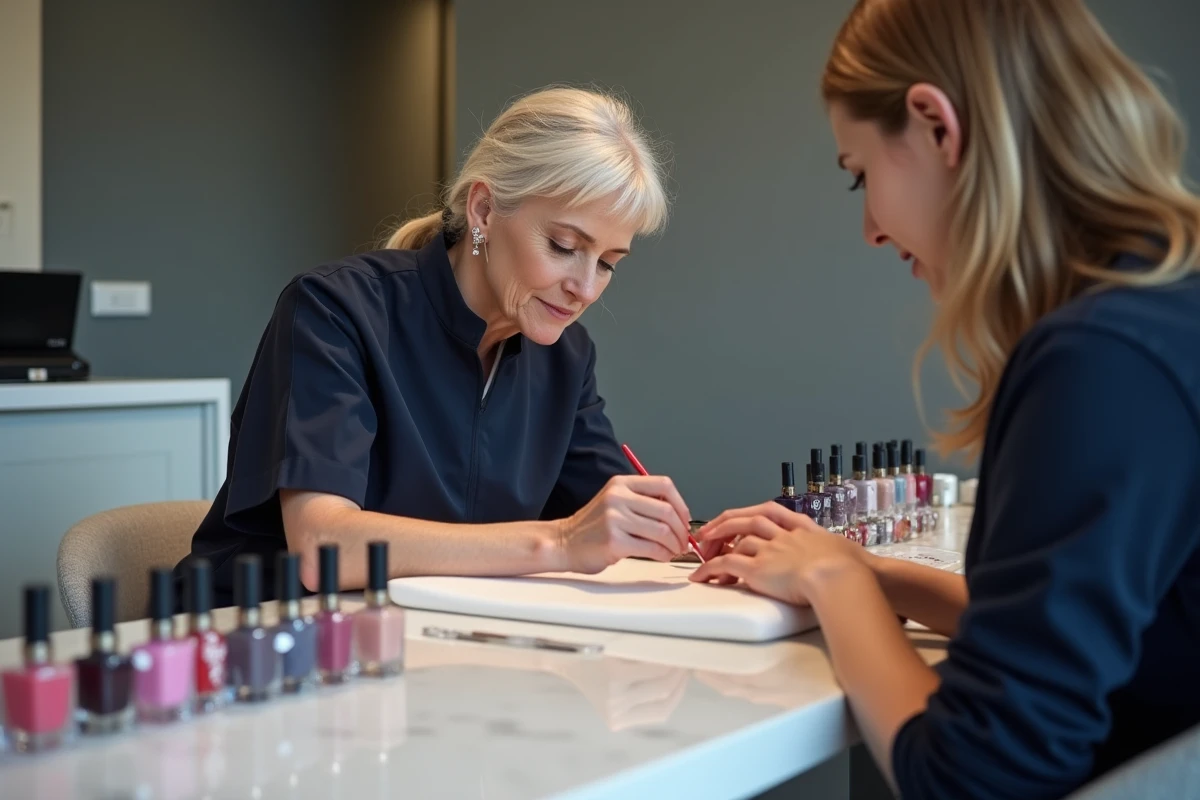
Practicing aesthetic treatments without a CAP exposes one to criminal sanctions. The DGCCRF can detect the infringement during an inspection, and the prosecutions concern both practice in institutes and activities at home or in self-employment.
A legal alternative exists to work directly with clients in an institute: holding a salaried position under the supervision of a qualified professional. The technical manager of the establishment, holding a CAP or a higher diploma, then assumes responsibility for the acts performed. This configuration allows one to gain experience before taking the CAP, including as a free candidate.
The VAE as a path to regularization
A person who has engaged in aesthetic-related activities for several years can initiate a Validation of Acquired Experience process. The VAE allows one to obtain the CAP in Aesthetics-Cosmetics-Perfumery by recognizing the skills acquired in a professional situation, without going through the complete initial training again.
The scope of services authorized without a CAP thus boils down to two categories: non-aesthetic wellness (relaxation massages, energy treatments) and the sale of cosmetic products. Any service claiming an aesthetic purpose, even indirectly through its commercial title, falls into the regulated field and requires a diploma. The formulation of the offer is, in practice, the first element checked during an inspection.