
A classic magnetic whiteboard does not require maintenance like a glass surface, yet these two solutions coexist in many classrooms. Some schools invest in interactive models without necessarily exploiting all their features, due to lack of training or software compatibility. Suppliers often offer standards that are not suited to the room configuration or the age of the students. Between budget constraints and specific pedagogical uses, the selection criteria go far beyond just price or size. Choosing errors can be costly and difficult to correct once the equipment is installed.
An overview of the different types of school boards: from classic to digital
Choosing a whiteboard for a school is never just about checking a box on a quote. The models offered cover a wide range of formats, materials, and features. The most common is the walled whiteboard: easy to install, simple to use, it adapts to most classrooms. The magnetic version adds a useful dimension: posters, exercises, or educational documents can be attached in one motion, to support the lesson or energize the exchange. The surfaces, whether enameled or lacquered, stand out for their ability to withstand the test of time and make writing enjoyable.
For institutions where the equipment is used relentlessly, the enameled whiteboard is essential: it endures for years and maintains impeccable erasure. In contrast, melamine models appeal due to their low price but quickly show their limits where the pace is high. There are also custom whiteboards: perfect for atypical rooms, but less straightforward to obtain and install, with often extended lead times.
At the other end, the interactive whiteboard, or IWB, has radically changed the pedagogical approach. Thanks to it, multimedia resources, live annotation, and recording of lesson content are now possible. But for the promise to hold, one must ensure software compatibility, solid support for mastering it, and equipment robust enough to survive the daily life of a school. Specialized sites like lesblancsdecole.com concretely address these training and organization issues, helping teams navigate them.
In reality, each classroom requires reflection on the most relevant type of whiteboard: frequency of use, subjects taught, level of student autonomy… Everything comes into play.
What criteria should be prioritized to choose the right whiteboard for your classroom?
The writing surface: quality and use
The writing surface remains the crux of the matter. For daily and intensive use, the enameled option will never let you down: it resists scratches, and marks erase effortlessly, year after year. The melamine whiteboard is suitable for those with less frequent use or for rooms used occasionally. As for the lacquered surface, it offers a compromise but requires regular attention to maintain its impeccable appearance.
Dimensions and configuration: adapting the board to the space
It is also important to consider the size of the whiteboard based on the classroom layout. A monobloc is very suitable for small groups. In larger rooms or multifunctional spaces, the triptych board allows for multiple supports and organizes work across several panels. Wall-mounted models provide optimal visibility, even for students seated at the back.
Here are the main types of boards to consider based on your needs:
- Magnetic whiteboard: perfect for displaying visual aids and encouraging group work.
- Interactive whiteboard: relevant if the room is already equipped with digital tools and the team wants to utilize all multimedia resources.
Also consider compatibility with maintenance accessories: specific markers, magnetic erasers, suitable cleaning products. To complete the equipment, prioritize strong magnets and a stable support, especially if students handle the board themselves.
The choice of the whiteboard is never separate from that of the environment. Each classroom imposes its solution, taking into account pedagogical methods, student flow, and existing equipment.
Practical tips for finding the whiteboard that will truly facilitate your teaching
Consider use, maintenance, and accessibility
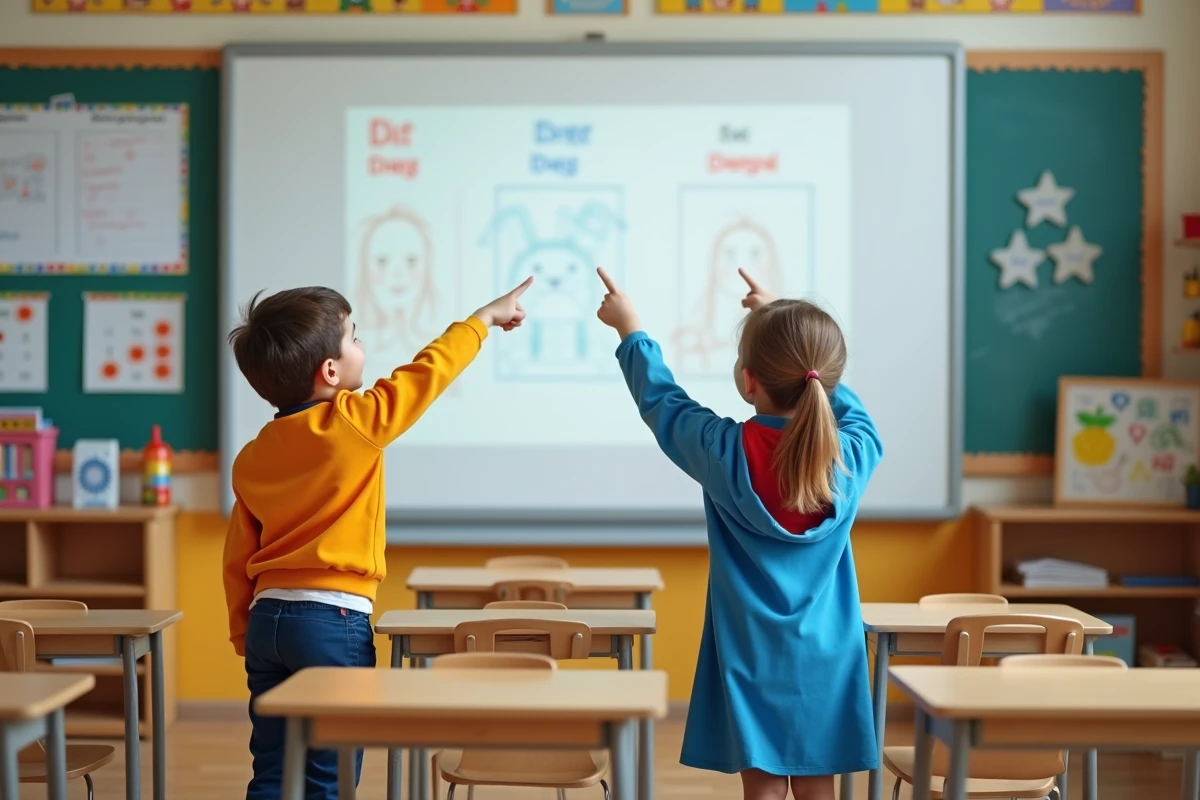
Selecting a whiteboard starts with observing what happens in the classroom: collaborative workshops, presentations, interactive activities? If the atmosphere is dynamic, a magnetic whiteboard allows for varied supports, captures attention, and encourages exchange. For integrating digital content, an interactive whiteboard, or digital interactive board, multiplies possibilities, both for IWB training and for using educational software.
As for the whiteboard support, it should be chosen based on the space: wall-mounted to optimize space, mobile for more flexibility. Take the time to measure the available area precisely, considering circulation and visibility from every corner of the room, whether it is a classroom or a training meeting room.
Here are some elements not to overlook to ensure pleasant and durable use:
- Opt for effective maintenance accessories: suitable erasers, gentle sprays, and strong magnets.
- Ensure that erasing remains easy, day after day: a stubborn mark can quickly discourage both students and teachers.
- Check the compatibility of markers and cleaning products with the chosen surface: each finish reacts differently.
Regular maintenance extends the life of the board. Interactive models, on the other hand, require special care: follow the manufacturer’s instructions to preserve display quality and the responsiveness of the IWB.
Every detail matters: frequency of use, ease of maintenance, flexibility of use. It is these choices that transform a simple whiteboard into a pedagogical lever, one that will truly support teachers and their students.