
Logging into your academic email securely is essential to protect your personal information and professional exchanges. With the rise of cyberattacks, you need to adopt safe practices.
Using strong and unique passwords for each account is a crucial first step. Additionally, enabling two-factor authentication can significantly enhance the protection of your email.
It is recommended to always verify the authenticity of links and attachments before opening them, and to keep security software updated on your devices. These simple measures can make a big difference.
Steps for a Secure Connection to Your Academic Email
To ensure a secure connection to your academic email, several steps must be followed. Here is a guide to help you ensure that your exchanges and information remain protected.
Using a Dedicated Computer
Access your professional email only from a dedicated computer. This helps reduce the risks associated with shared or public devices. Cyberattacks are often facilitated by the use of unsecured machines.
Configuring Email Settings
To access your academic webmail, configure your email client with the correct settings. Academies generally provide the necessary information, such as IMAP and SMTP servers, for optimal configuration.
Two-Factor Authentication
Enhance the security of your email by enabling two-factor authentication (2FA). This method adds a layer of protection by requiring a unique code, often sent via SMS or generated by a dedicated app.
SSL Certificates
Ensure that your connection uses SSL certificates. This technology encrypts the data exchanged between your computer and the email server, making interceptions much more difficult for cybercriminals.
Using a VPN
To enhance the security of your internet connection, use a VPN. This virtual private network masks your IP address and encrypts your data, thus protecting you from intrusion attempts.
Verifying Links and Attachments
Be vigilant by always checking the authenticity of links and attachments in your emails. Phishing attacks are common and can compromise your sensitive information if you click on malicious content.
Regularly Resetting Passwords
Regularly change your passwords and ensure they are complex. Use password managers to keep your credentials secure and avoid weak or reused passwords.
By following these steps, you can effectively secure your academic email, particularly with solutions like ia44 webmail, while protecting your personal and professional data.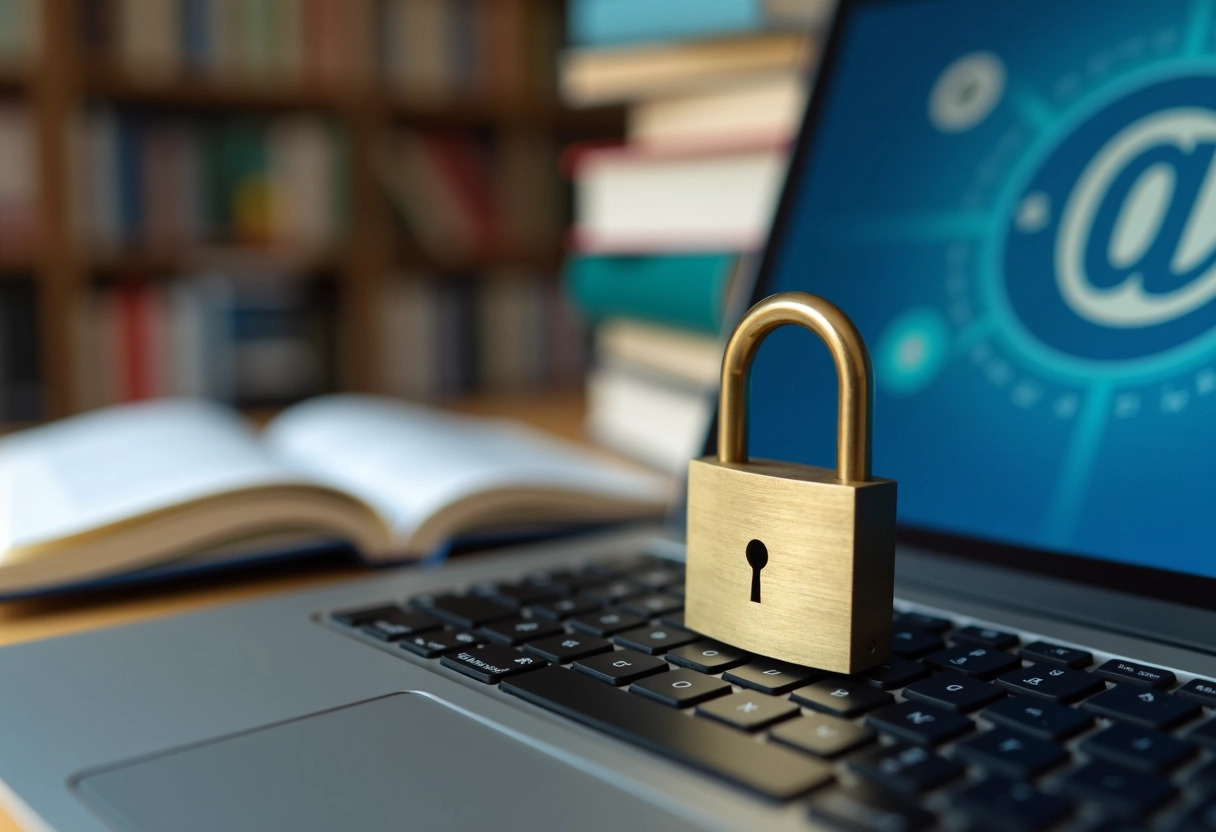
Tips and Best Practices to Ensure the Security of Your Email
Complex Passwords and Managers
To strengthen the security of your email, use complex passwords. These should include a combination of letters, numbers, and special characters. Use a password manager to securely store this information.
Two-Factor Authentication (2FA)
Enable two-factor authentication on your email account. This method adds an extra layer of protection by requiring a unique code sent via SMS or generated by an app.
Data Encryption
Ensure that all connections to your email use SSL certificates. This technology encrypts the exchanged data, making interceptions much more difficult for cybercriminals. Also, use encryption solutions for sensitive files.
Monitoring and Updates
Install antivirus and anti-malware software to monitor and protect your system against potential threats. Regularly update your system and software to fix vulnerabilities.
Be Cautious with Emails
Be vigilant with emails from unknown senders or containing dubious links and unexpected attachments. Phishing attacks can compromise your sensitive information.
- Use anti-spam and anti-phishing filters to reduce the risks associated with malicious emails.
- Never respond to requests for personal or financial information via email.
Continuous Training
Participate in regular cybersecurity training to stay informed about new threats and best practices. Knowing about phishing techniques and other common attacks will help you better protect your email and data.
Using a VPN
To enhance the security of your internet connection, use a VPN. This virtual private network masks your IP address and encrypts your data, thus protecting you from intrusion attempts.