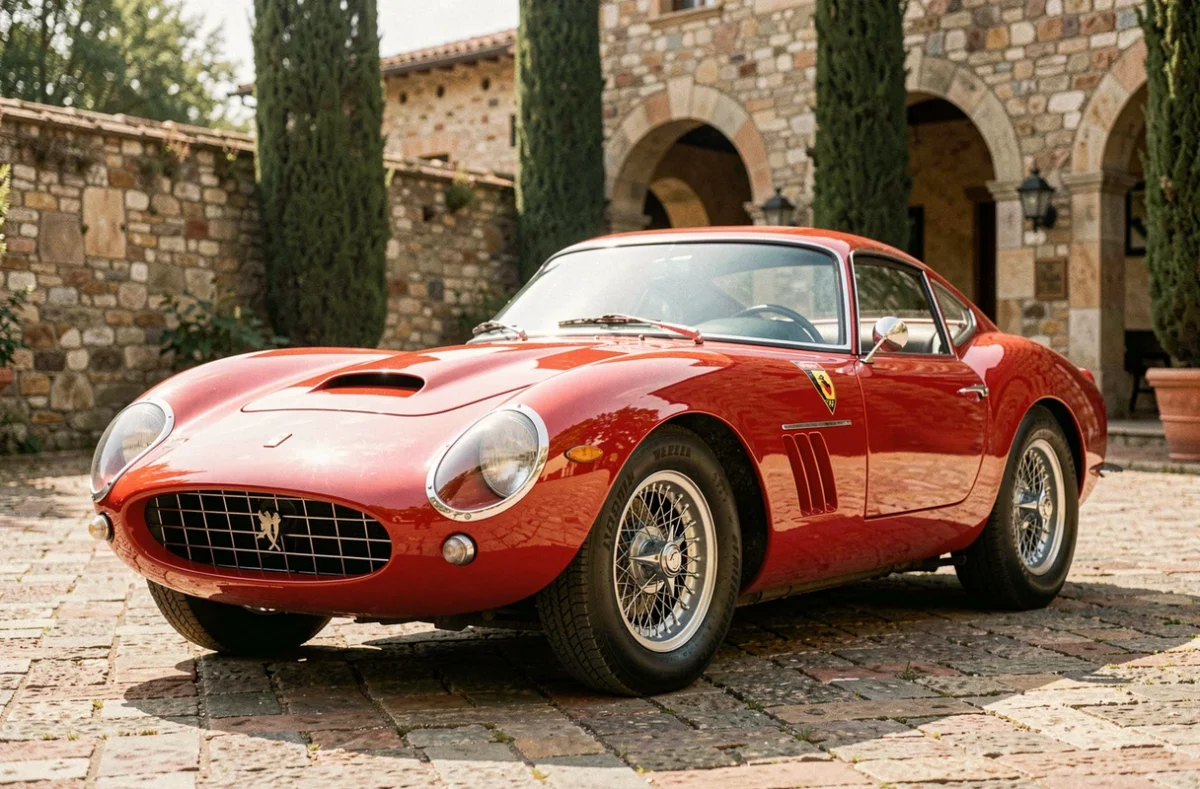
A rare car is defined by more than the number of examples produced. Its condition, documented provenance and genuine collector demand matter just as much as—if not more than—the size of a limited production run. In today’s market, some models produced in just a few dozen units are stagnating in value, while less exclusive vehicles with a solid history are appreciating.
Provenance and traceability: what really determines the price of a rare car
The natural instinct is to associate rarity with limited production. A manufacturer announces ten examples, and the price goes up. This logic holds, but it tells only part of the story.
An example’s documented provenance matters just as much as its production rarity. Two identical cars from the same series can have vastly different values depending on their history. A vehicle with a complete record of every owner, mechanical repair and concours appearance attracts buyers willing to pay a substantial premium. RM Sotheby’s achieved strong results at its recent London sales, confirming that an individual lot’s history remains a major driver at auction.
Among the rarest car models, those that retain their original service book, restoration invoices and certificates of authenticity consistently stand out. An incomplete file, even for a model produced in just five examples, raises suspicions.
Rare car vs. expensive car: a distinction worth understanding
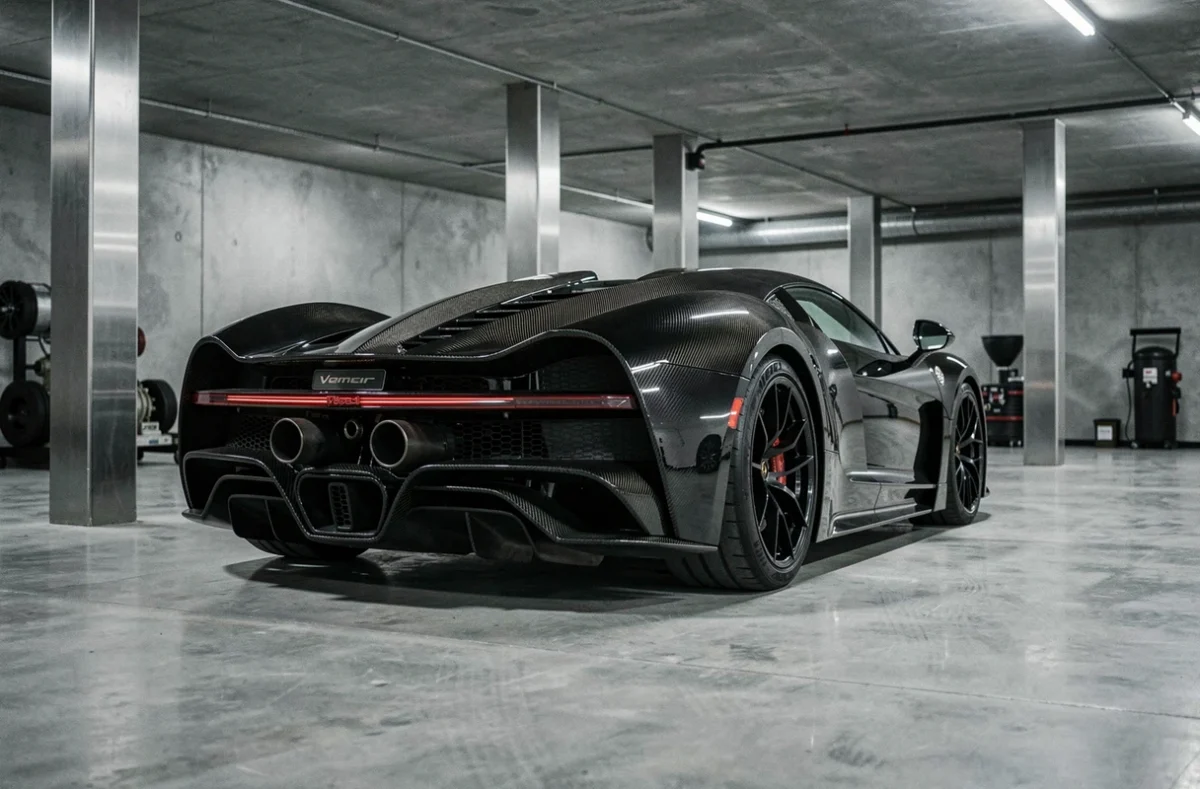
A high price does not mean a car is rare. Recent luxury sedans can cost more than a million euros without any production constraints making them rare. Conversely, some little-known models built in tiny numbers by defunct manufacturers sell for modest sums because demand is lacking.
Rarity must be distinguished from genuine demand and the vehicle’s condition. Market data confirms this: most collector cars tracked by Hagerty remained stable over the latest quarter studied, with gains and losses split almost evenly. Owning a rare model therefore does not guarantee an automatic profit.
Practical criteria that distinguish rarity from value
- The number of surviving examples matters more than the number produced. A series of 100 cars with just three roadworthy examples left is worth more than a series of ten with eight still on the road.
- Value depends on the segment and generation. The Ferrari index for cars from the 1950s to the 1970s fell over a recent quarter, while cars from the 1980s and 1990s gained value over the same period.
- Mechanical authenticity (original engine, unmodified chassis, original factory paint) remains the most decisive factor in a pre-auction appraisal.
Driving a rare car every day: insurance, LEZs and historic vehicle registration
Buying an exclusive model only to leave it under a cover is not every collector’s plan. Driving an older or rare vehicle in France means checking several administrative requirements before signing.
Exemptions from low-emission zones are not consistent across the country. They depend on the rules set by each metropolitan area. An old car is not automatically recognized as a historic vehicle, and historic vehicle registration, while offering certain benefits (adapted roadworthiness testing and exemption from some emissions standards), also comes with restrictions on use.
What to check before buying a rare model to drive
Before buying a rare vehicle with the intention of driving it in a city, check the LEZ rules for the relevant metropolitan area. A model without a compatible Crit’Air sticker may be banned from driving on certain days, even with historic vehicle registration.
Insurance is another point to consider in advance. Specialist classic car policies often impose an annual mileage limit, require a locked garage and may require a prior appraisal. A rare vehicle without a recent appraisal may prove impossible to insure with specialist providers.
1980s–1990s models: the new frontier of car collecting
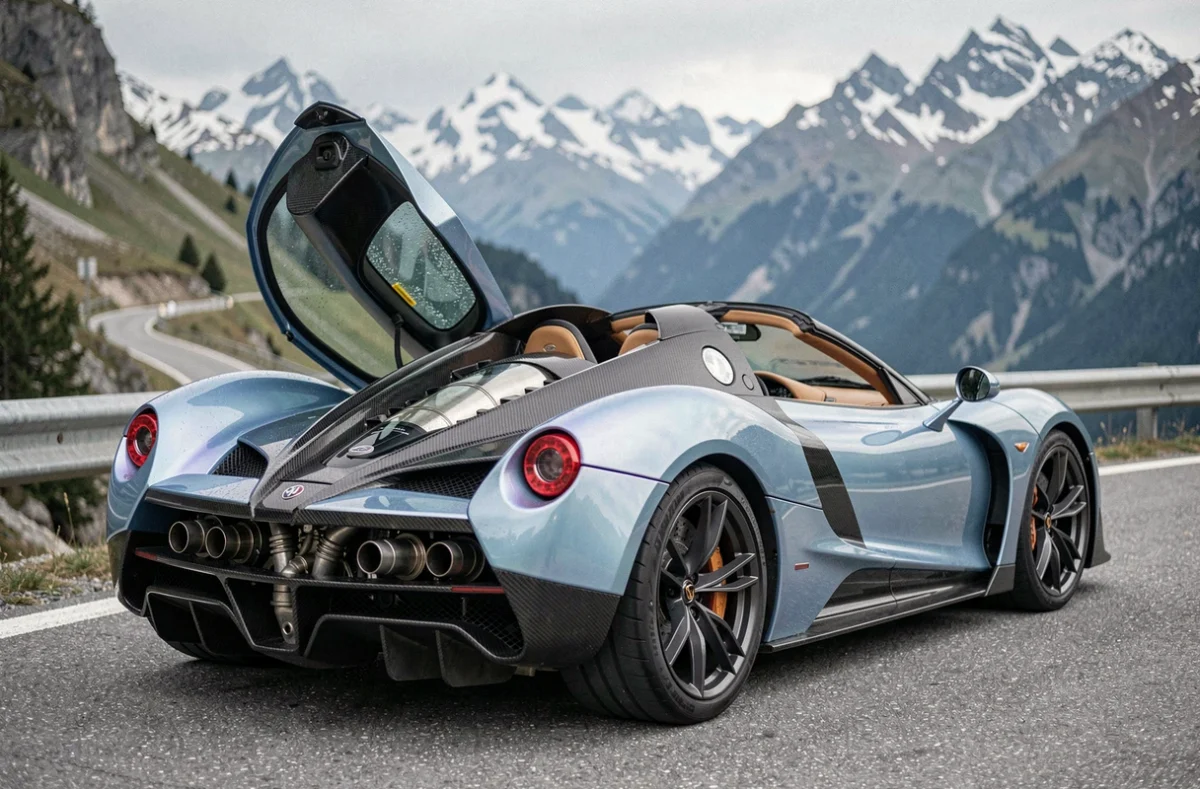
More recent collector cars are taking up an increasingly prominent place at auctions. This trend broadens the definition of rarity well beyond pre-war automobiles and historic marques such as Ferrari and Porsche.
Japanese, German and Italian models built between 1985 and 1999, long considered too recent to interest collectors, are now attracting buyers in their thirties and forties. Cars from the 1980s and 1990s have gained value while older segments have stagnated or declined.
This generational shift is changing the very definition of a rare car. A model produced in the thousands during the 1990s can become rare if most examples have been crashed, poorly maintained or exported. Rarity also develops through the natural attrition of the existing fleet, not just through an industrial decision to produce fewer cars.
What this means for buyers
Anyone looking to buy a 1990s model should check the availability of spare parts, whether there is a network of specialists and whether the vehicle complies with current regulations. A rare model that is impossible to maintain loses its collector value as soon as parts disappear from the market.
The rare-car market is about more than a showcase of auction records. The most sought-after example will be one with clear provenance, registration that allows it to be driven and maintenance that remains feasible. These three criteria are an effective way to distinguish emotional purchases from lasting investments.