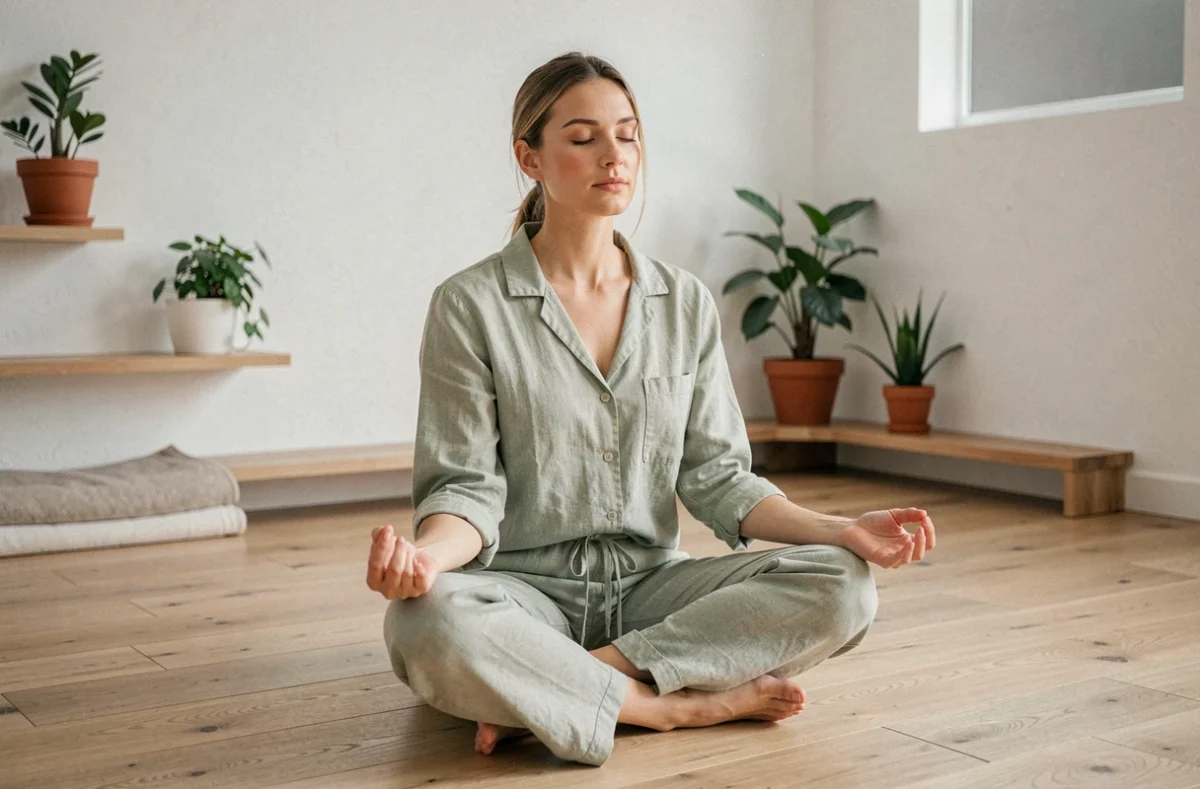
According to the WHO, the proportion of adults who do not meet international physical activity recommendations increased between 2010 and 2022. This decline reflects less a lack of interest in health than structural barriers: lack of time, financial constraints, and a shortage of suitable spaces. Talking about everyday well-being without taking these realities into account means offering advice that only a fraction of the population can follow.
Fragmented sedentary behavior: a risk distinct from lack of exercise
Most well-being guides divide people into two categories: those who are active and those who do not exercise enough. The WHO identifies a third factor that is often overlooked: prolonged sedentary behavior, considered a risk in its own right, independent of how much exercise someone does otherwise.
In practical terms, someone who runs for thirty minutes in the morning and then sits for eight hours straight is combining two behaviors with opposing effects. Breaking up periods of sitting is a habit distinct from exercising. Standing up every forty-five minutes, walking while on the phone, or taking the stairs instead of the elevator: these brief interruptions do not replace exercise, but they address a different factor.
For people whose jobs require them to sit for long periods, with no access to a gym or time for a dedicated workout, these small actions are often the only adjustable factor. The resources available on Dr Hackney’s website explore complementary approaches suited to these constraints.

Well-being and physical activity when your surroundings limit your options
Traditional recommendations are based on an implicit assumption: that readers have access to a park, a walkable sidewalk, or a home spacious enough to roll out a mat. In many neighborhoods, these conditions are not met. Safety concerns at night, a lack of sidewalks, and cramped housing mean that access to a safe place to move around is not universal.
The WHO itself emphasizes that any amount of physical activity, however modest, is better than none, and that active travel and everyday tasks contribute to the total. This changes the perspective: rather than finding time to exercise, the goal is to recognize that carrying groceries, cleaning a floor, or walking to a bus stop already counts as physical activity.
Adapting habits to your actual budget
Gym memberships, dietary supplements, premium meditation apps: the wellness market offers paid solutions to every problem. For people on a tight budget, these options are out of reach.
- Walking is free and requires no special equipment, even if it is just ten minutes each day on your commute
- Bodyweight exercises (squats, wall push-ups, stretches) require neither equipment nor more than two square meters of space
- Free video content on public platforms offers short routines that can be done in a living room
The point is not to dismiss paid services, but to remember that everyday well-being should not depend on purchasing power.
Sleep and mental health: how regular physical activity can make a difference
The WHO links regular physical activity in adults to improved sleep and mental health, as well as reduced symptoms of anxiety and depression. This connection is well documented, but it needs some qualification: the available data covers general populations and does not always specify the minimum level of activity needed to see these effects on sleep.
What we know with greater certainty is that consistency matters more than intensity. Walking for ten minutes every day has a more measurable effect on the sleep-wake cycle than an intense weekend workout followed by five days of inactivity.
Social connection as part of mental well-being
Mental well-being is about more than an individual routine. The WHO emphasizes the role of social connection and access to support in mental health. Self-care can also mean keeping up a weekly phone call with someone close to you, taking part in a free group activity, or simply exchanging a few words with a neighbor.
This aspect is rarely addressed in well-being guides, which tend to favor solitary habits (meditation, journaling, baths). For people who are isolated, the first act of self-care may be to reach out to others rather than optimize a morning routine.
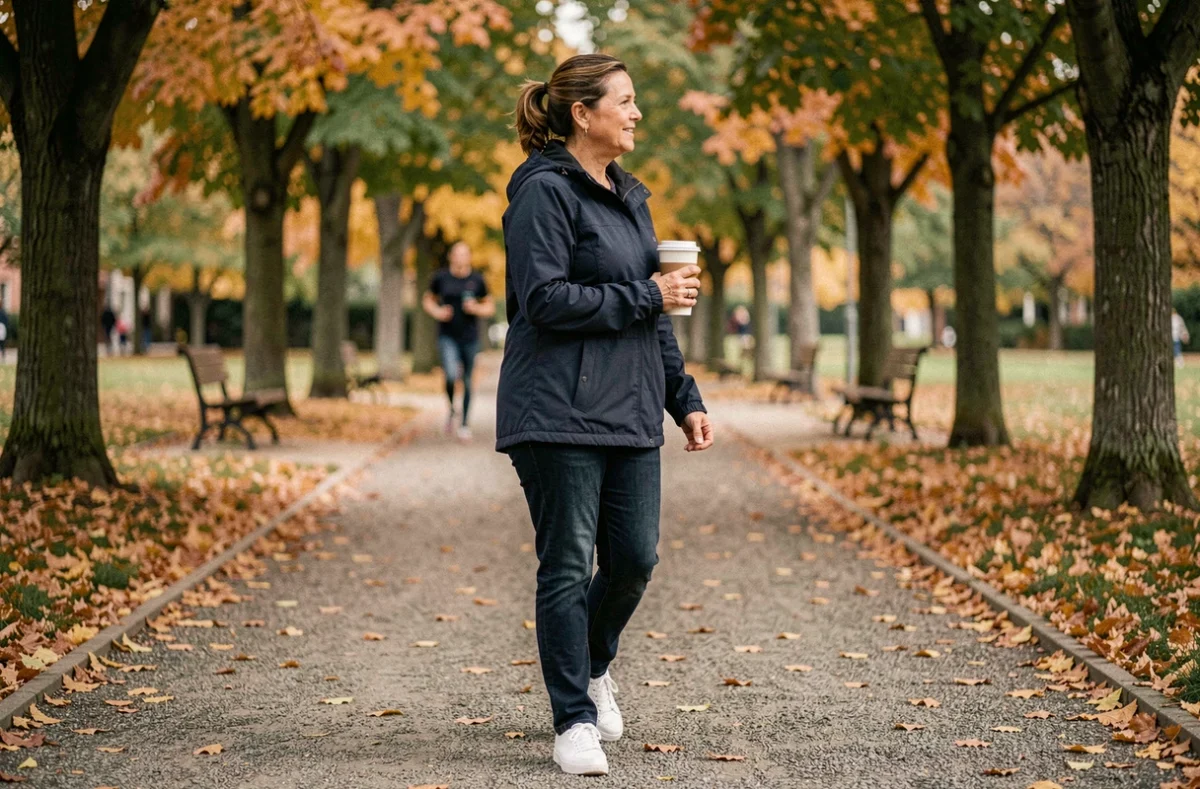
Building realistic well-being habits: making time
The most frequently cited barrier is still lack of time. Single parents, shift workers, family caregivers: for these people, a forty-five-minute morning routine is pure fiction.
Two principles can help work around this constraint without adding pressure:
- Pair a new habit with something you already do: stretch while the coffee brews, take deep breaths on your commute, or drink a glass of water during each break
- Accept that on some days, the only self-care you can manage is sleeping ten minutes longer—and that counts
- Reduce friction: lay out your clothes the night before, keep a water bottle in sight, or set a silent reminder on your phone
A habit you stick with for three months is better than an ambitious routine abandoned after two weeks. The consistency of a small action produces cumulative effects that occasional intensity cannot replace.
What advice lists leave out
Most articles about everyday well-being present their recommendations as universally applicable. Barriers to well-being are often structural, not individual: unsuitable housing, financial insecurity, mental load, and a lack of support. Recognizing these limitations does not mean giving up on self-care; it means adjusting expectations to what is actually feasible.
A useful well-being habit is one you can repeat in your current living conditions, not the ones you wish you had. Starting from this reality, rather than an idealized morning routine, is the only approach that lasts.