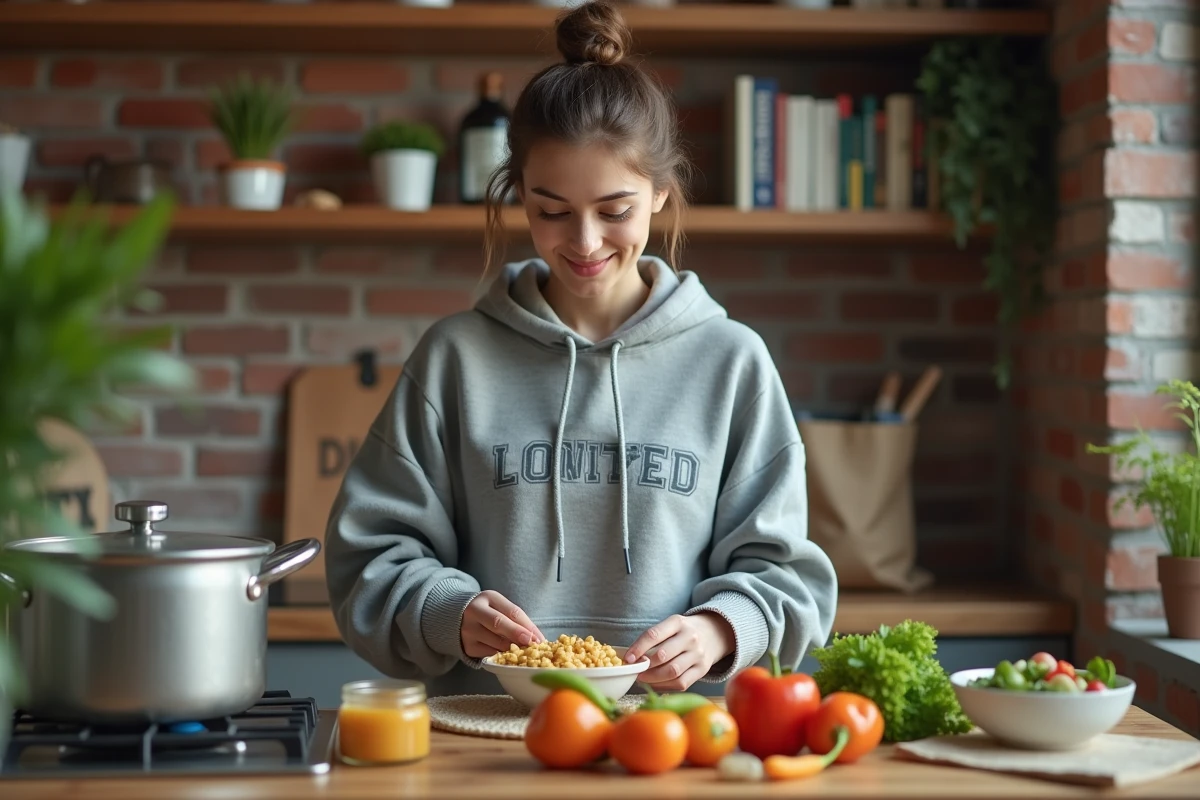
Between classes, commutes, and studying, cooking often takes a back seat for students, replaced by industrial sandwiches or frozen meals heated up in a hurry. Solutions for eating quickly and well do exist, but they require rethinking how one organizes shopping, equipment, and cooking habits.
Student batch cooking: prepare a week of meals in two hours
Batch cooking involves concentrating the preparation of several dishes in a single session, usually on Sundays. For a student equipped with a hot plate, a pot, and an oven or microwave, two hours is enough to cover four to five days of meals.
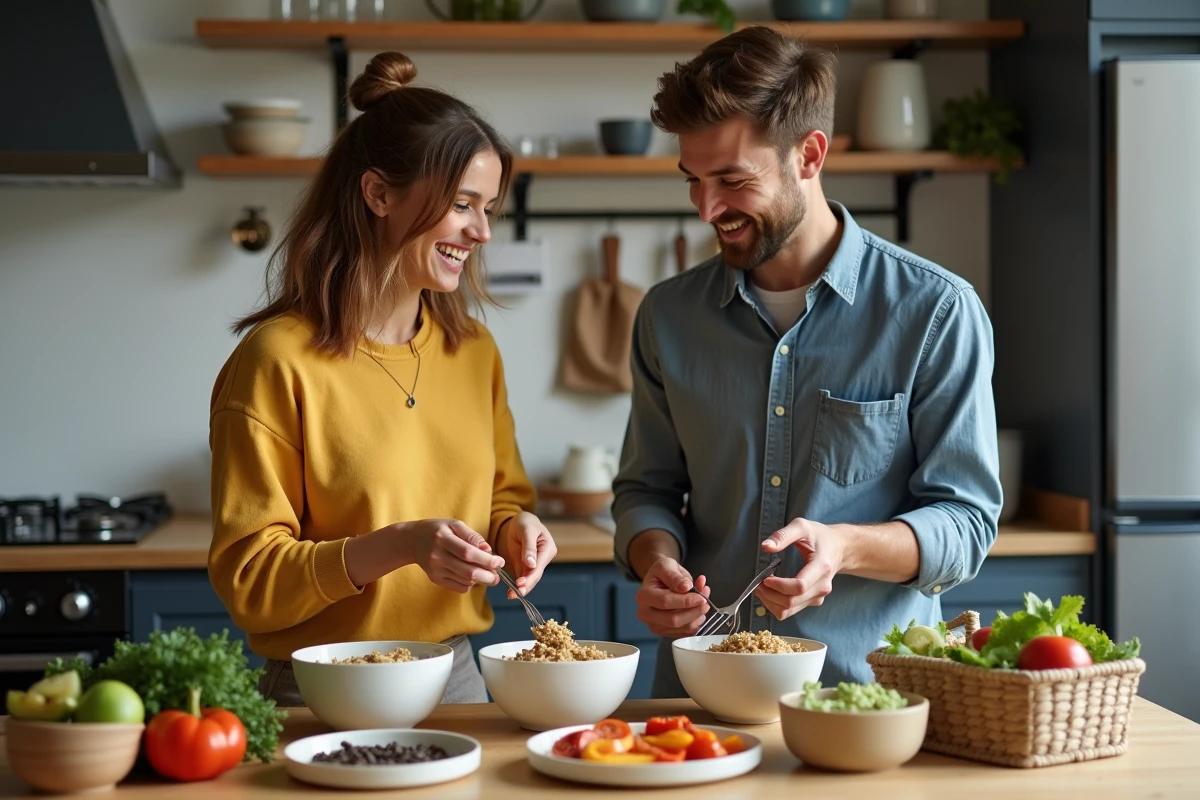
The principle is based on the simultaneous cooking of neutral bases: a carbohydrate (rice, pasta, couscous), a protein (chicken, hard-boiled eggs, canned legumes), and two or three seasonal vegetables. These elements are then combined differently each day, in salads, wraps, stir-fries, or reheated with a sauce.
Several French universities are now incorporating batch cooking workshops into their student life services, with free sessions or charged between one and two euros per participant. These initiatives, supported by the Crous, aim to address both food insecurity and the lack of cooking skills. The Crous of Bordeaux-Aquitaine has been testing “meal boxes” to take away since 2023, designed to be reheated in microwaves in university residences, with recipe cards to reuse leftovers the next day.
For those looking for a myn idea on TwimmCook, this type of structured approach allows for varying dishes without multiplying purchases or time spent in the kitchen.
Cooking without an oven or equipment: what really works
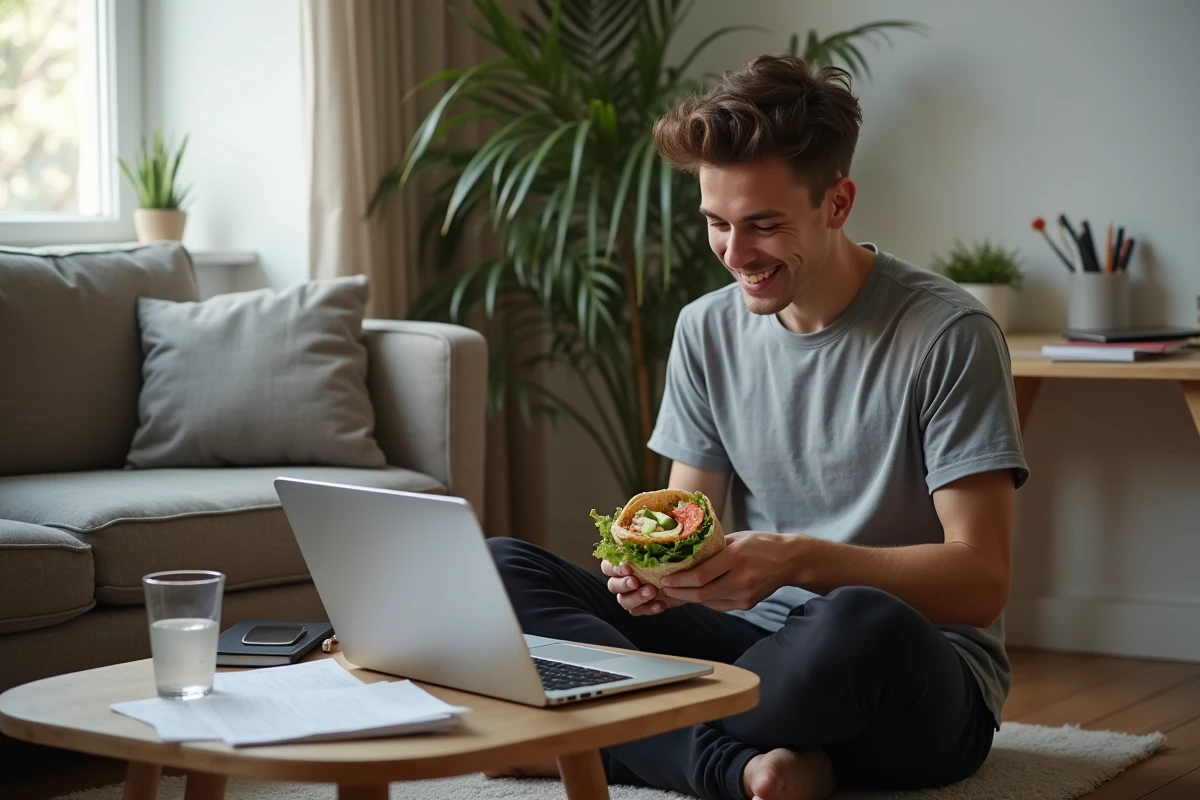
The majority of “student special” recipes published online assume the use of an oven, a work surface, and a minimum of cookware. The reality of a room in a university residence is often different: a hot plate, a microwave, and a frying pan.
With this trio, the options remain broad as long as one focuses on short cooking times. Scrambled eggs or omelets take less than five minutes and can accommodate almost any leftovers from the fridge (vegetables, cheese, herbs). A vegetable stir-fry can be prepared in a single pan. Wraps and tortillas allow for assembling a complete meal without additional cooking, by filling them with raw vegetables, cold chicken, or legumes.
The microwave, a true cooking tool
Often limited to reheating, the microwave cooks vegetables properly by steaming (broccoli, green beans, zucchini) in just a few minutes with a bit of water and a lid. It can also be used to prepare a savory or sweet mug cake, fruit compote, or potatoes in their skins. The microwave replaces the oven for most quick cooking, provided that the containers are suitable (glass or ceramic, no metal).
Anti-waste shopping and tight budget: habits that change the week
Food expenses remain one of the primary areas for savings for a student. Two strategies complement each other: planning meals before going to the market and utilizing anti-waste circuits.
- Platforms like Too Good To Go or Phenix offer baskets of unsold fresh products from Monoprix, Carrefour, or Franprix, often at very reduced prices. These “ready-to-cook” baskets contain vegetables, bread, and sometimes pre-made salads, sufficient for improvising meals on the go.
- Buying canned legumes (chickpeas, lentils, red beans) guarantees a low-cost source of protein, with a long shelf life and no prior preparation needed.
- Seasonal vegetables bought in bulk at the market are generally cheaper than their pre-packaged counterparts in supermarkets, and their freshness extends their shelf life in the fridge.
Planning three or four meals in advance reduces impulse purchases and limits waste. A shopping list based on a simple menu (one carbohydrate, one protein, two vegetables per day) is enough to get through the week without surplus.
Quick meals and nutritional balance: where to draw the line
Eating quickly does not mean eating poorly, but the nutritional balance of a student meal depends mainly on consistency. A wrap filled with raw vegetables and chicken one day, lemon pasta with vegetables the next, a mushroom omelet the day after: variety is built over the week, not on each plate.
Wraps, bowls, or saucy dishes are nutritionally equivalent as long as they combine a carbohydrate, a protein source, and vegetables. Feedback from Crous workshops converges on one point: students who cook for themselves, even in a basic way, consume more vegetables and legumes than those who limit themselves to store-bought prepared meals.
Common pitfalls to avoid
- Industrial sauces (ketchup, mayonnaise, sweet soy sauce) add salt and sugar without notable nutritional value. A homemade vinaigrette (olive oil, lemon, mustard) can be prepared in thirty seconds.
- Carbohydrates alone (white pasta, white rice without accompaniment) do not constitute a complete meal. Adding a handful of frozen vegetables or a can of tuna transforms a backup dish into a balanced meal.
- Skipping breakfast to “catch up” at lunch rarely works: hunger leads to less rational choices in the middle of the day.
Cooking as a student requires neither special talent nor expensive equipment. A frying pan, a pot, and a refrigerator are enough to cover most quick recipes. Two hours of preparation on the weekend and a shopping list based on three or four menus cover the essentials of the week.