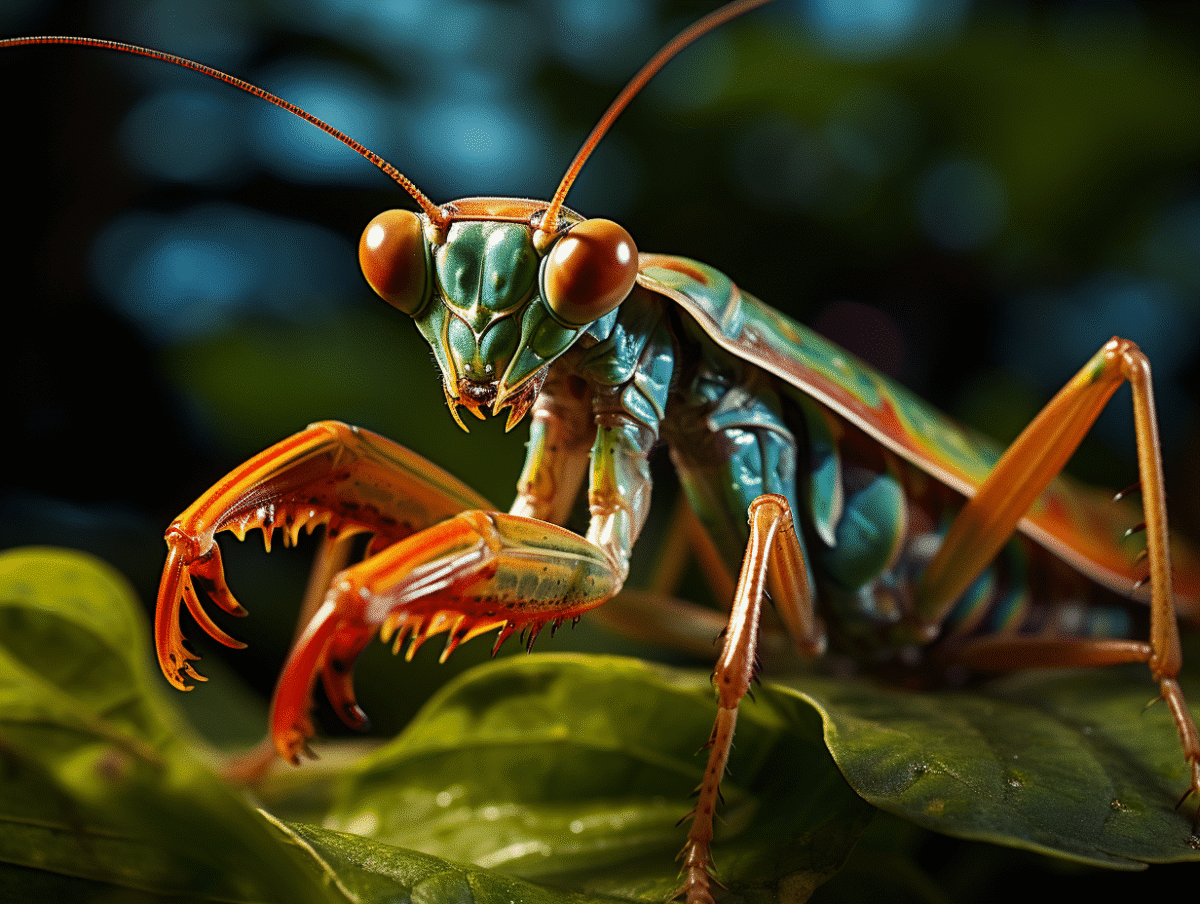
The trend of raising exotic insects in home gardens is intensifying, driven by a growing interest in biodiversity and atypical ecosystems. These small creatures, often overlooked, can play essential ecological roles, such as pollination or the decomposition of organic matter. For nature enthusiasts eager to adopt this practice, it is important to thoroughly understand the specific needs of these insects, particularly in terms of habitat, climate, food, and protection from predators. Raising exotic insects requires a meticulous and informed approach to ensure their well-being and harmonious integration into the local environment.
The Basics of Raising Exotic Insects
Raising exotic insects is generating increasing interest among biodiversity enthusiasts. This initiative is part of a species conservation effort, often threatened in their natural habitat. Among these species, butterflies hold a special place, known for their beauty and their role in pollination. Raising these lepidopterans can be done through a breeding kit, which provides the necessary tools to support the life cycle of butterflies, from caterpillar to adult.
Raising butterflies requires specific conditions: the availability of host plants for the caterpillars and nectar plants for the adult butterflies. These plants must be carefully selected to meet the nutritional needs of the species being raised. Be sure to avoid introducing invasive exotic species (IES), which could threaten the balance of local biodiversity.
Another fascinating representative of exotic fauna to raise is the leaf insect, an insect that perfectly mimics leaves or twigs to camouflage itself. Its breeding, like that of butterflies, raises awareness about the fragility of ecosystems and the importance of their preservation. Leaf insects require a habitat that mimics their natural environment, with branches and fresh leaves from certain plant species on which they can feed and hide.
The practice of raising exotic insects engages the responsibility of the breeder to preserve local biodiversity. It is crucial to conduct thorough research to ensure that the introduced species do not disrupt the ecological balance. Collaboration with entomology experts and conservation organizations can be invaluable in guiding breeders in their efforts to safeguard species and maintain ecosystems.
Creating and Managing an Ecosystem for Insects in Your Garden
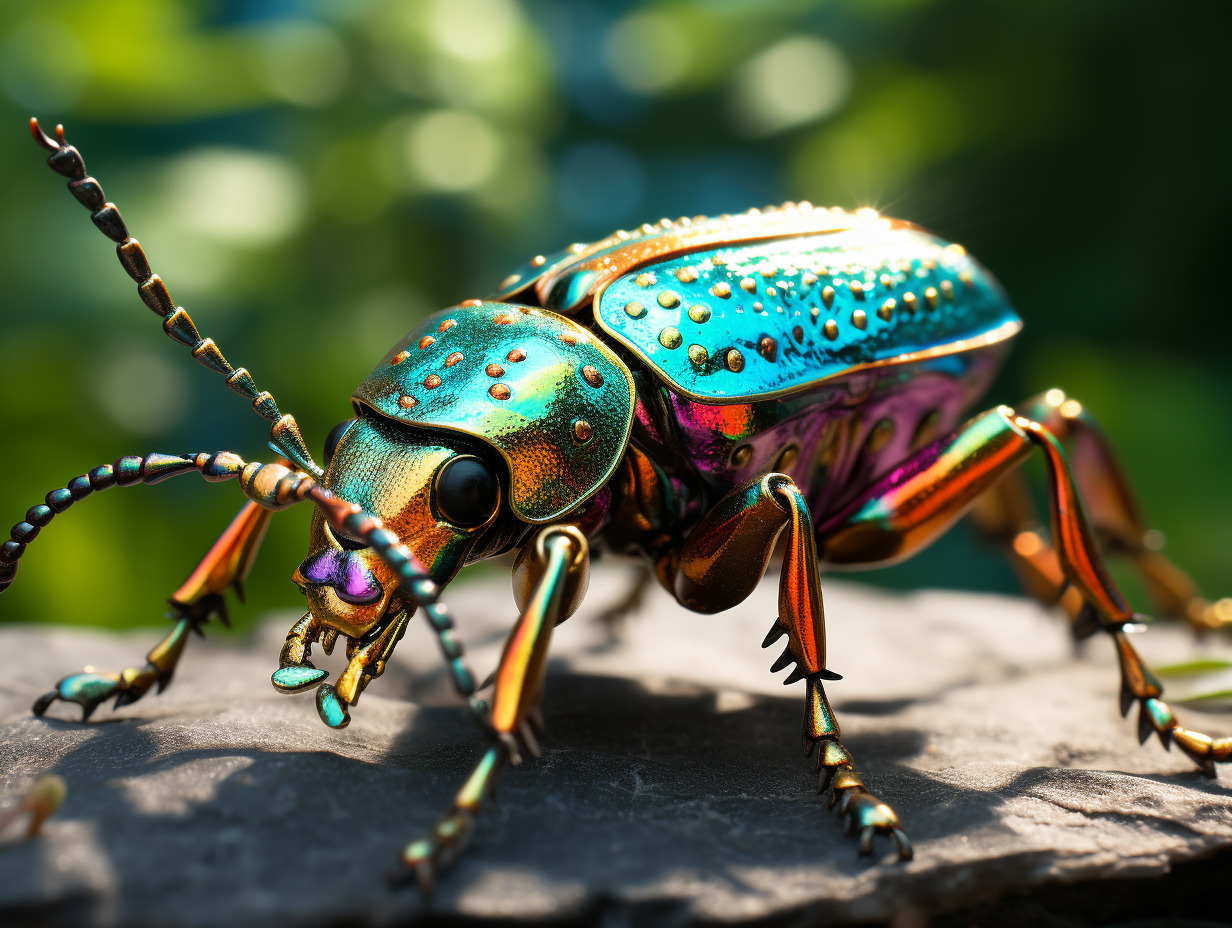
To ensure a harmonious coexistence with exotic insects, creating a suitable ecosystem in your garden is fundamental. This involves designing a habitat that considers biodiversity, integrating a variety of host plants and nectar plants. The latter are essential for the different stages of the butterfly life cycle and other pollinators. Make sure to include water sources, such as small ponds or shallow dishes, to meet the hydration needs of the insects.
Selecting native plants is preferable to maintain ecological balance and support beneficial insects, which play a crucial role in pollination and the decomposition of organic waste. Avoid invasive plants that could compete with local flora and disrupt the ecosystem you are building. Prioritize genetic diversity for a resilient and dynamic garden.
Managing this ecosystem also involves steering clear of chemical pollution. Use natural fertilizers, such as compost or green manure plants, to enrich the soil without harming the inhabitants of your garden. Light and noise pollution should also be minimized, as it can disrupt the natural cycles of insects and negatively affect their behavior.
Maintain a pesticide-free environment, a sine qua non condition for the survival of the species you wish to promote. Ecological practices such as crop rotation, mulching, or using natural predators are strategies to adopt for controlling pests without resorting to harmful substances. Creating and managing an ecosystem for insects in your garden requires a thoughtful and nature-respecting approach, which in return, will enrich biodiversity and contribute to a healthier and more vibrant environment.